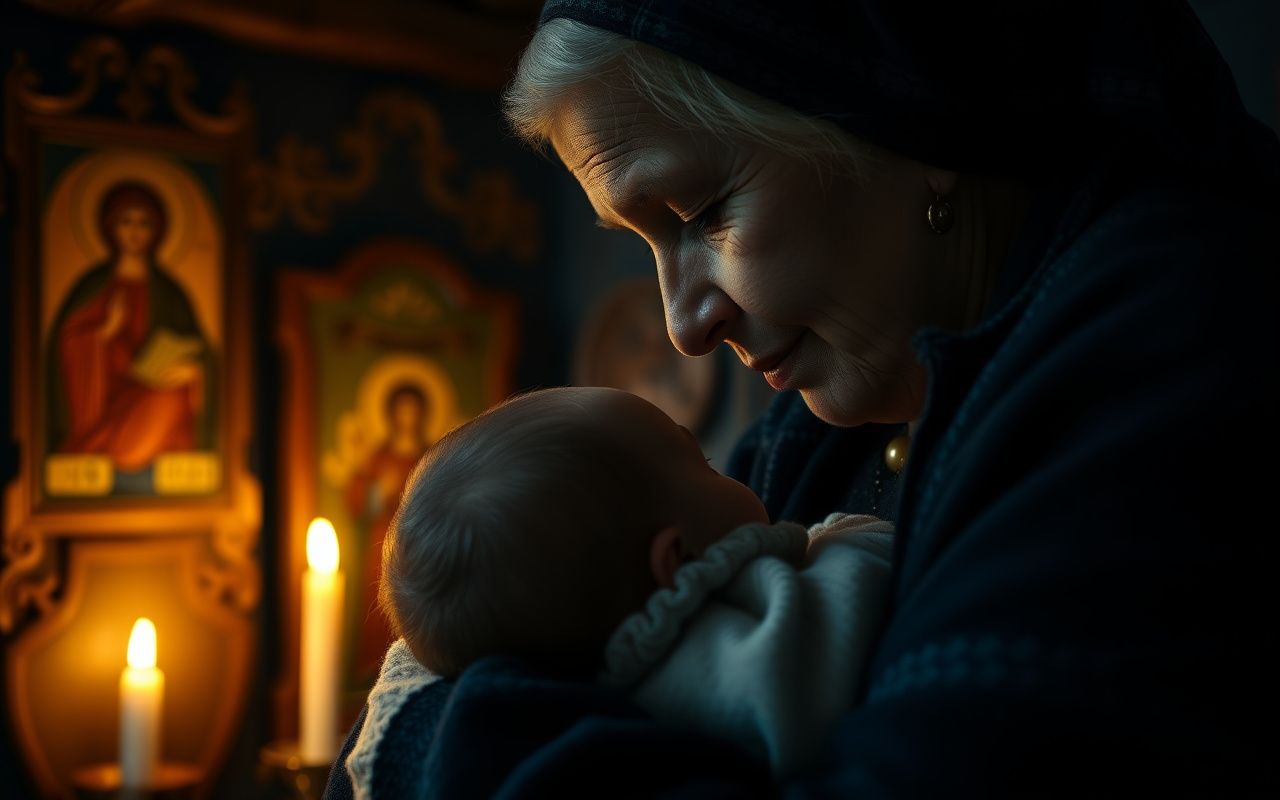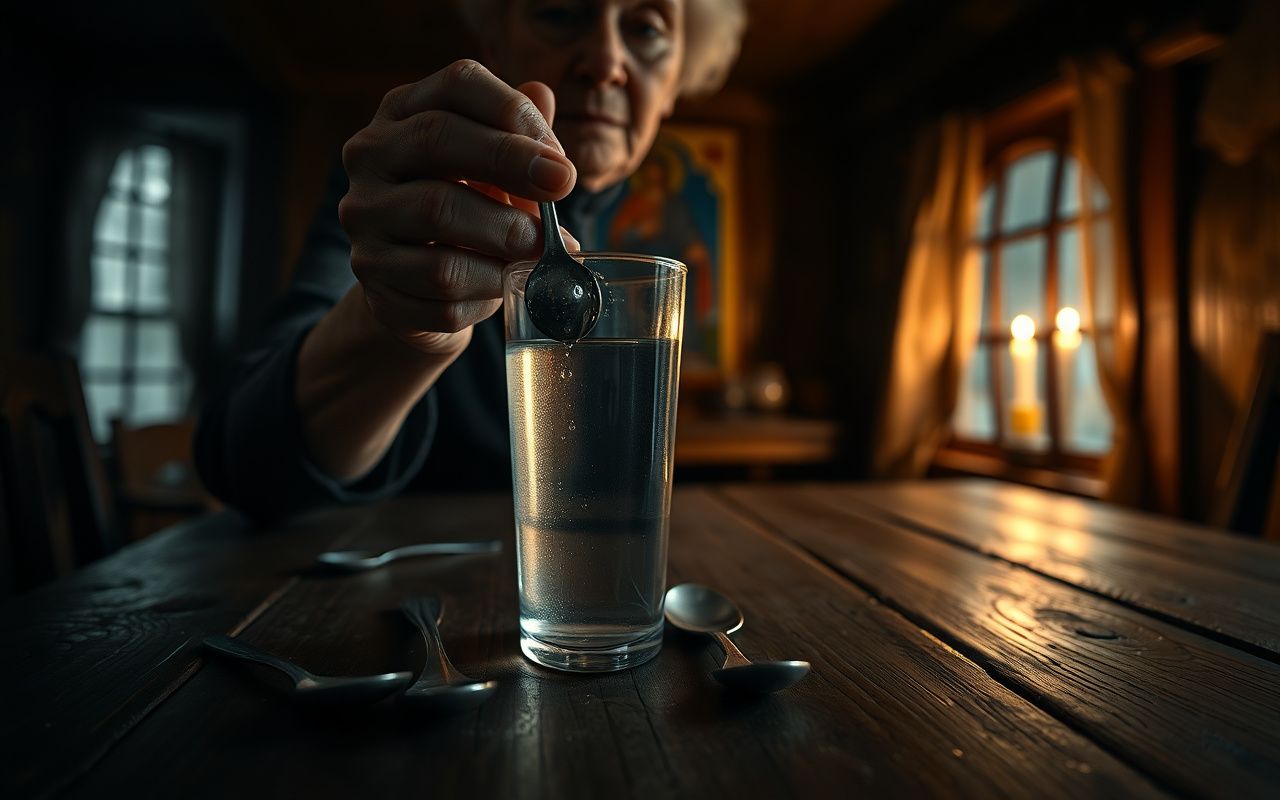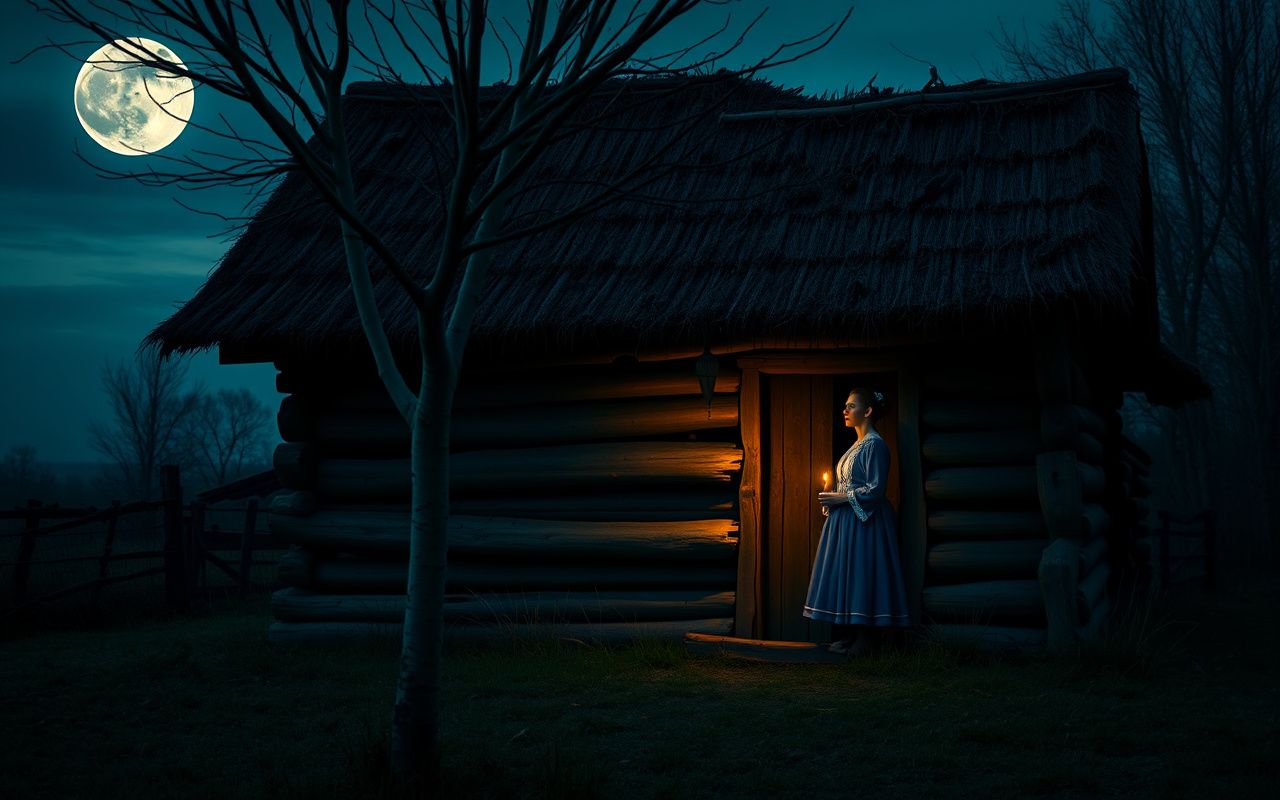
In old Slavic villages, when someone fell ill, the first call wasn't to a doctor — it was to the local znakharka, a wise woman who knew the old words. These healing incantations, or zagovory, were whispered over water, spoken to the moon, or pressed into the bark of a young tree. I've always been fascinated by how these traditions blend Christian imagery with older pagan elements. Let me share a few examples from a 2020 Russian esoteric magazine that collected these folk charms.
Incantations for Daily Protection
One charm, meant to be recited each morning during an epidemic, goes like this: “I will rise in the morning, go out into the yard onto the road that leads to the temple. There I will read a prayer to Saint Panteleimon. He always helps, he wards off fatigue and illness from body and soul.” The text invokes Saint Panteleimon, a Christian healer saint, but the structure — rising, going out, speaking to a protective force — is pure folk tradition.
Another charm for general disease prevention begins with the speaker washing in pure dew and then addressing Archangel Michael: “Angel of God, Archangel Michael! Enchant my white body, my hands and feet, that they be stronger than steel, harder than lead and iron.” The request to “lock my body with thirty-three locks from all ailments” shows how folk magic often used numerical symbolism (33 locks) and material metaphors (steel, lead) to express invulnerability.
Rituals for Chronic Weakness and Toothache
For someone who constantly feels weak, traditions describe a Sunday noon ritual with a red and a green candle. The patient sits facing east, and the healer says: “Do not groan, do not be ill, do not suffer… His body is blood and milk, his hands and feet filled with strength.” The phrase “blood and milk” is a classic Slavic folk ideal of health — rosy cheeks, vigor, vitality.
Toothache, a common misery, had its own charm directed at the moon. “The old moon came to the new moon and said: ‘You and I have no toothache, so may (name)’s gums and teeth not ache or hurt, and those that hurt, go numb.’” The charm is repeated while looking at the moon, and the rhyming, rhythmic language is meant to soothe both the speaker and the listener.
Transferring Illness to a Tree
One of the most striking rituals involves transferring a long-term illness to a young tree. At night, the afflicted person goes to a forest or park, places both palms on the trunk, and visualizes warmth flowing from the tree into their hands. Then they recite: “Burning sickness, prickly illness, stretch to the tree, pass from my body to the roots. Not the servant of God (name) shall you torment, but the tree shall you dry and consume.”
According to folk belief, if the tree withers or its leaves turn yellow within a couple of weeks, the illness has left the person. I find this ritual particularly moving — it treats the tree as a living being that can absorb suffering. It's a powerful metaphor for connection to nature, whether or not one believes in the literal transfer.
These incantations survive today in rural areas and among practitioners of folk magic. They remind us that before modern medicine, people turned to words, symbols, and nature to cope with illness. I'm not sure whether any of it 'works' in a medical sense, but there's no denying the comfort and agency these rituals provide.
For entertainment purposes only.