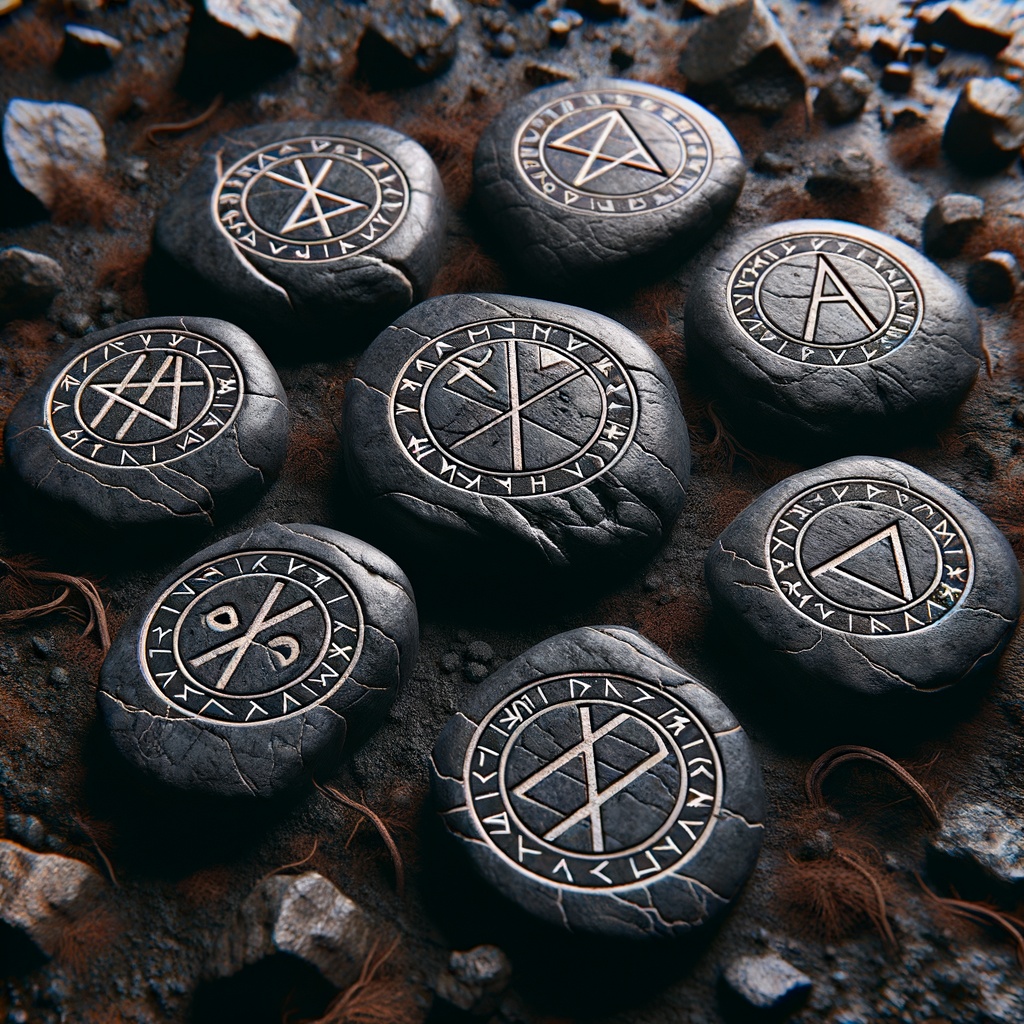
The ancient symbols of the Norse carry a thousand years of wisdom. Cast the runes — and let them reveal the hidden forces shaping your destiny.
The complete runic alphabet — tap any rune to begin a reading
A thousand years of Norse wisdom — for your question, right now
ᚠ Free Rune ReadingIn my practice, I have observed a common confusion between casting runes and laying them in a spread. Historically, the Vikings and other Germanic peoples did not use structured tarot-like spreads. Instead, they cast runes onto a white cloth or directly onto the ground, then interpreted the patterns formed by the stones. The word "rune" itself means mystery or secret, and the casting method honors that mystery by allowing chance and the unseen hand of the Norns to guide the reading. I once had a client who insisted on a three-rune spread, but the stones kept rolling off the table. I suggested we cast them instead, and the result was far more revealing. The runes fell in a cluster, two touching each other and the third separate, which spoke to a theme of isolation within a partnership. If you are new to runes, try both methods. Casting can feel chaotic at first, but it often shows you things that a rigid layout might miss.
Many modern rune sets include a blank stone, often called Odin's rune or the Wyrd rune. In traditional Norse sources, there is no blank rune. The Elder Futhark has exactly 24 runes, no more. The blank rune was popularized in the 1980s by Ralph Blum's book "The Book of Runes." He intended it to represent fate, the unmanifest, or the void. However, among historical reconstructionists and many folk practitioners, the blank rune is seen as a modern addition that dilutes the system. I personally include it in my sets because I find it useful for readings that call for a sense of mystery or a pause. But I always tell my clients that this is a contemporary choice, not an ancient one. If you prefer a purist approach, stick with the 24. If you feel drawn to the blank, use it as a reminder that some things are beyond the runes to say.
Beyond divination, runes have a long history as meditative symbols. In the Havamal, Odin speaks of hanging on the World Tree for nine nights to grasp the runes, suggesting a path of inner transformation. I often recommend a simple practice: choose one rune per week. Carry it with you, draw it on your hand, or place it where you will see it often. Reflect on its lore and how it shows up in your daily life. For example, when I worked with Thurisaz, the thorn rune, I noticed a pattern of defensive reactions in my conversations. That awareness alone helped me soften my responses. Runes can act like mirrors, reflecting back what we need to see but might otherwise ignore. They are not passive symbols. They are active keys to the self.