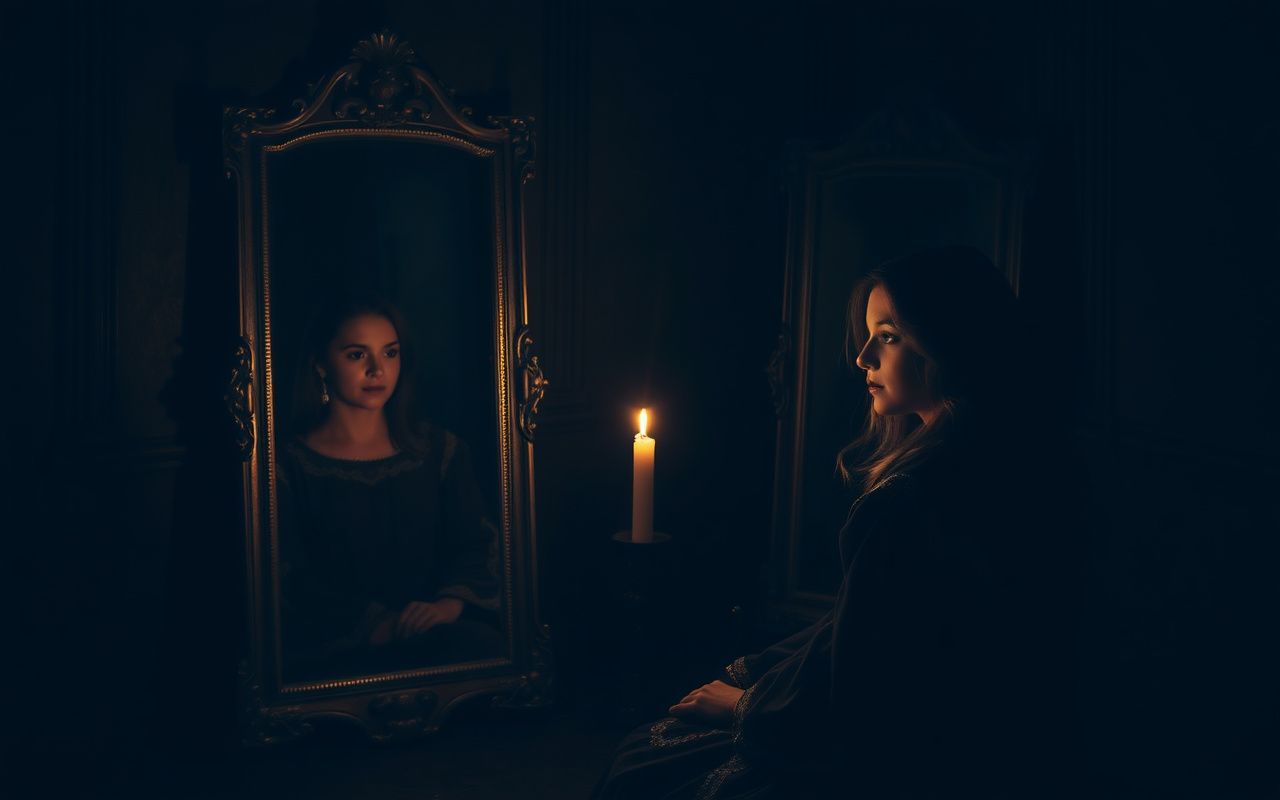
I remember the first time I heard about Epiphany fortune telling. A friend from Russia told me how her grandmother would gather with other young women on the night of January 18, lighting candles and placing mirrors in a darkened room. They believed that at midnight, the reflection of their future husband would appear. I was fascinated not by the supernatural claim, but by the ritual itself. It showed a deep human need to find meaning in uncertainty.
What Epiphany Fortune Telling Involves
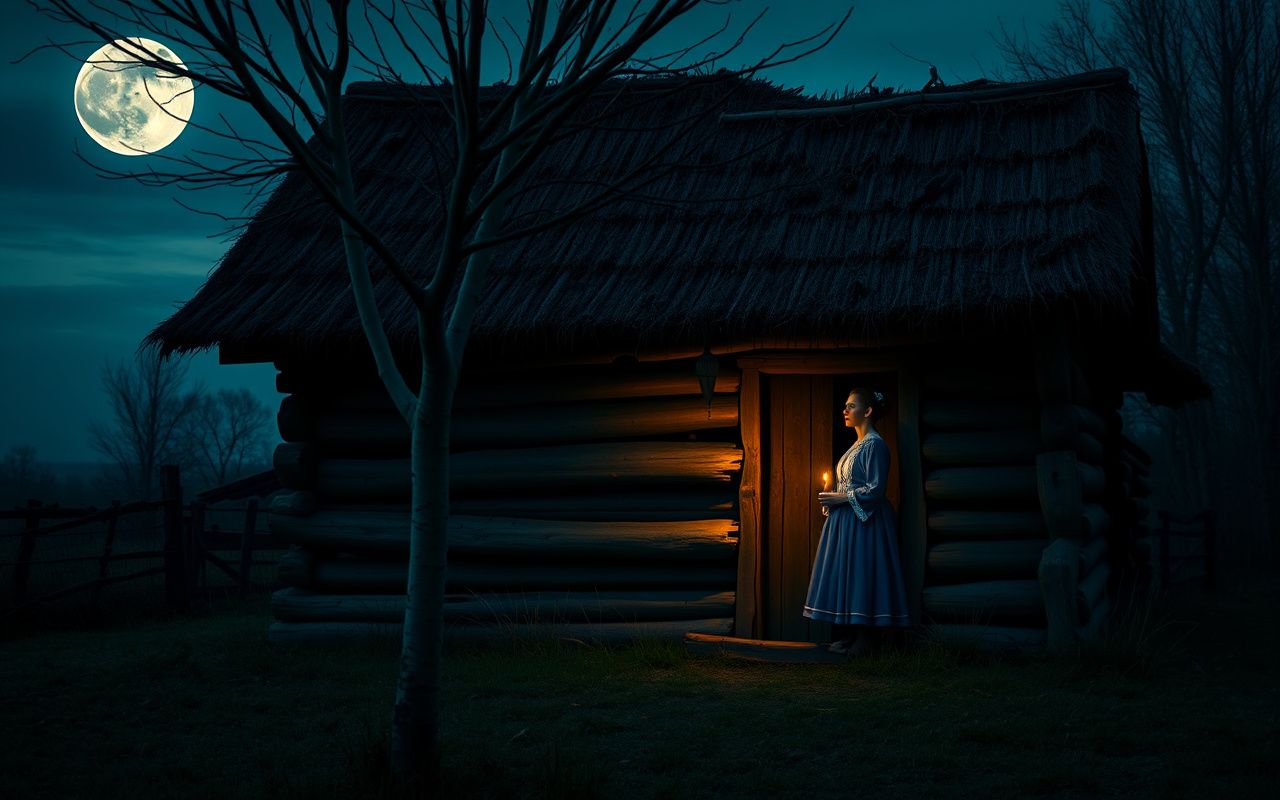
In Slavic folklore, Epiphany (or Kreshchenie) marks the end of the Christmas season. Traditions describe this night as a time when the boundary between worlds is thin. Young women performed various divinations to learn about their future marriages. The most famous involved two mirrors facing each other, creating a corridor of reflections. With a candle placed between them, the seeker would stare into the depths, hoping to see a face.
Another common method was throwing a boot over the shoulder. The direction the toe pointed indicated where the future spouse lived. Some would place a comb under their pillow, hoping to dream of their beloved. These practices were not about guaranteed outcomes. They were ways to cope with anxiety and to feel a sense of control over life's big questions.
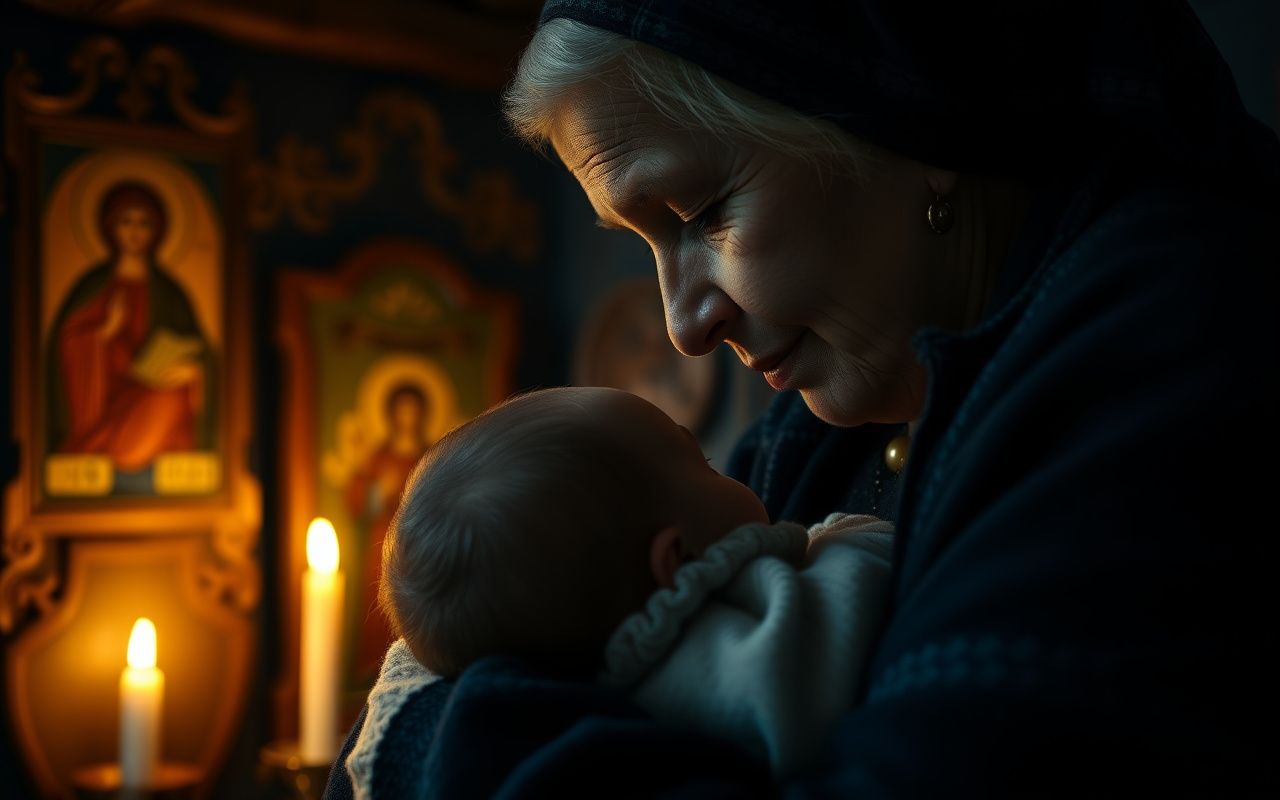
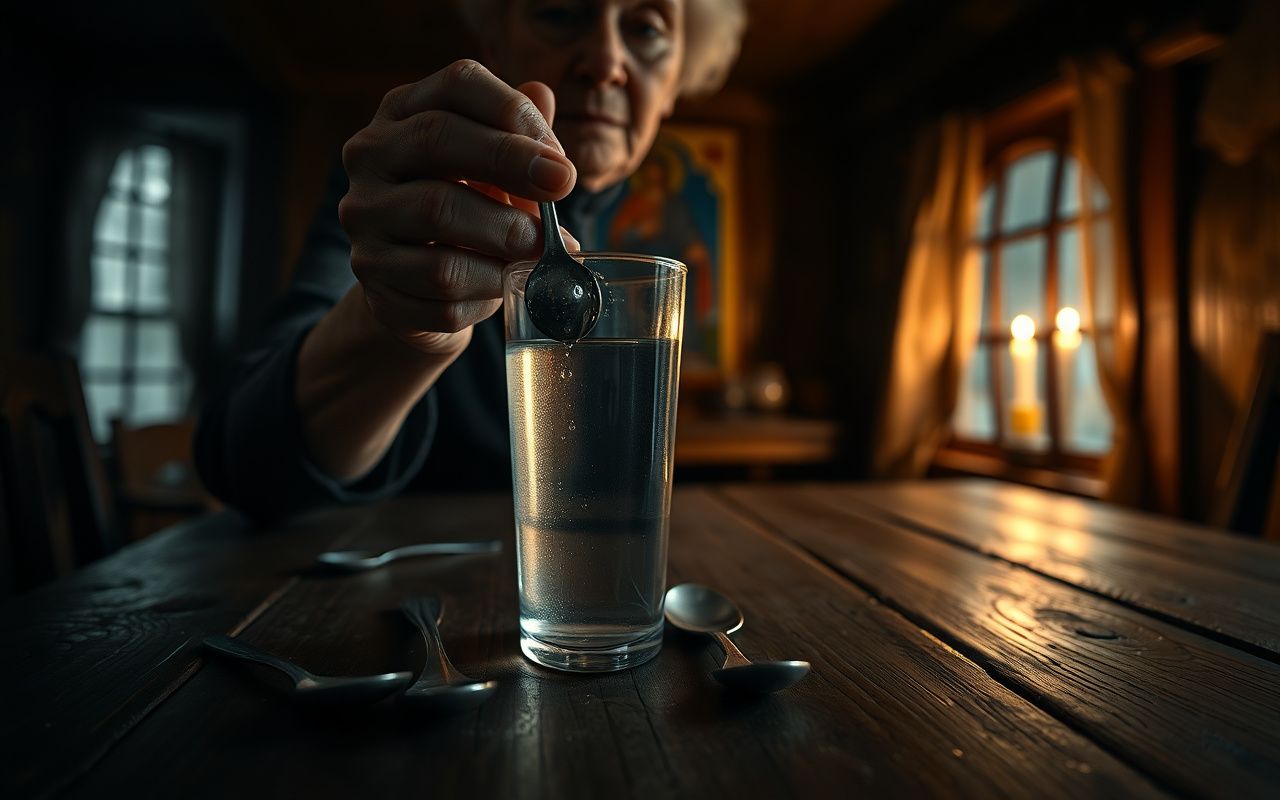
These rituals often involved water, mirrors, or thresholds. In folk belief, these were liminal spaces where spirits could cross. The Epiphany water, blessed in churches, was also used for protection. People would sprinkle it around their homes to ward off evil.
Historical Roots and Cultural Context
Historical records show that fortune telling was widespread in rural Russia well into the 20th century. The church officially disapproved, but the traditions persisted. They blended pre-Christian customs with Orthodox holidays. The winter solstice period, with its long nights, was seen as especially potent for divination.
Some practitioners believe that the mirror ritual was dangerous. Legends warned that if you saw a demon instead of a husband, you had to quickly say a prayer. Otherwise, the spirit could harm you. This mix of fear and hope is typical of folk magic. It acknowledges that seeking knowledge comes with risks.
Today, these traditions are mostly remembered as cultural heritage. In some families, women still try the mirror game for fun. But the deeper meaning remains: we all want to know what the future holds, especially in love.
Modern Reflections on Ancient Practices
There is something beautiful about these old customs. They show that our ancestors were not so different from us. They worried about finding a partner, about being alone. They created rituals to give themselves hope and courage.
If you are curious about trying something similar, you could adapt the tradition. Instead of a mirror, try journaling at midnight with a candle. Write down what you hope for in a relationship. It is not a prediction, but it can clarify your intentions.
For me, the value of Epiphany fortune telling is not in seeing the future. It is in the act of pausing, of creating a sacred moment in the dark winter. It reminds us that we are part of a long line of people who have asked the same questions.
For entertainment purposes only.