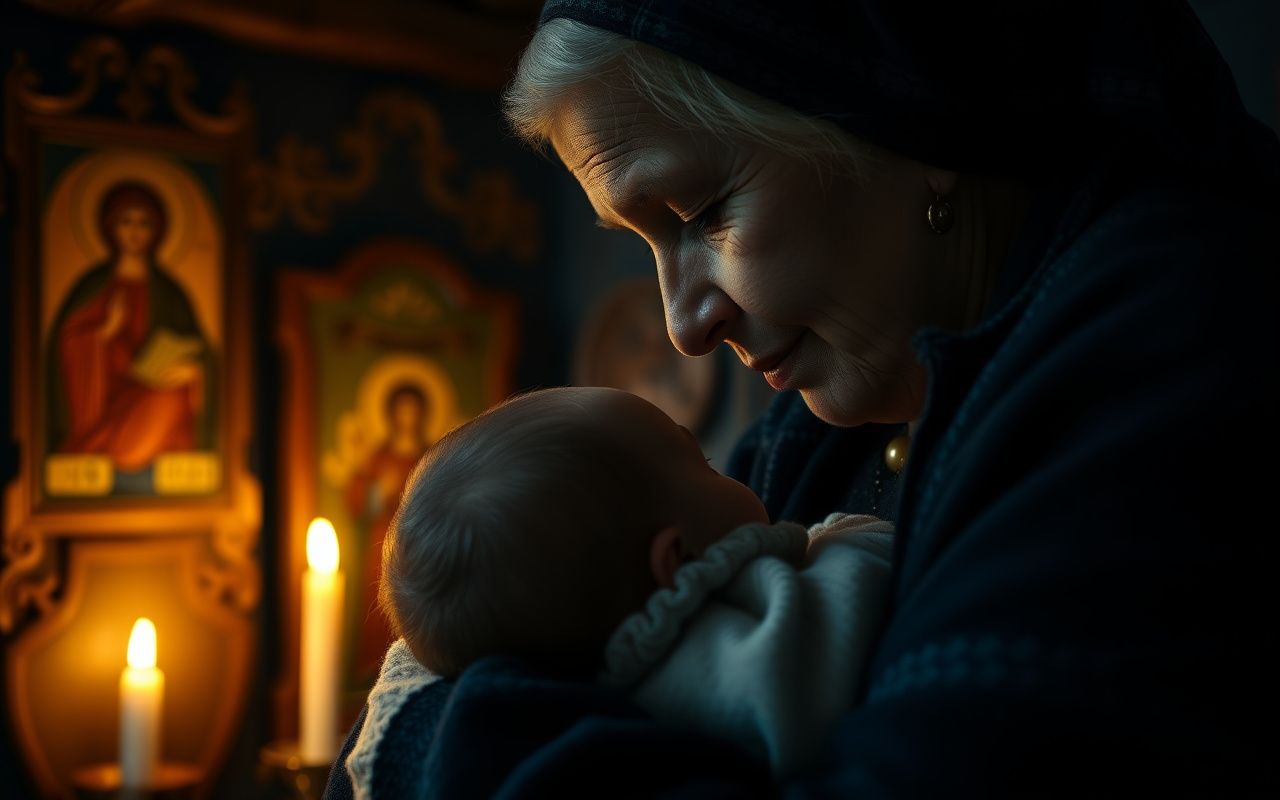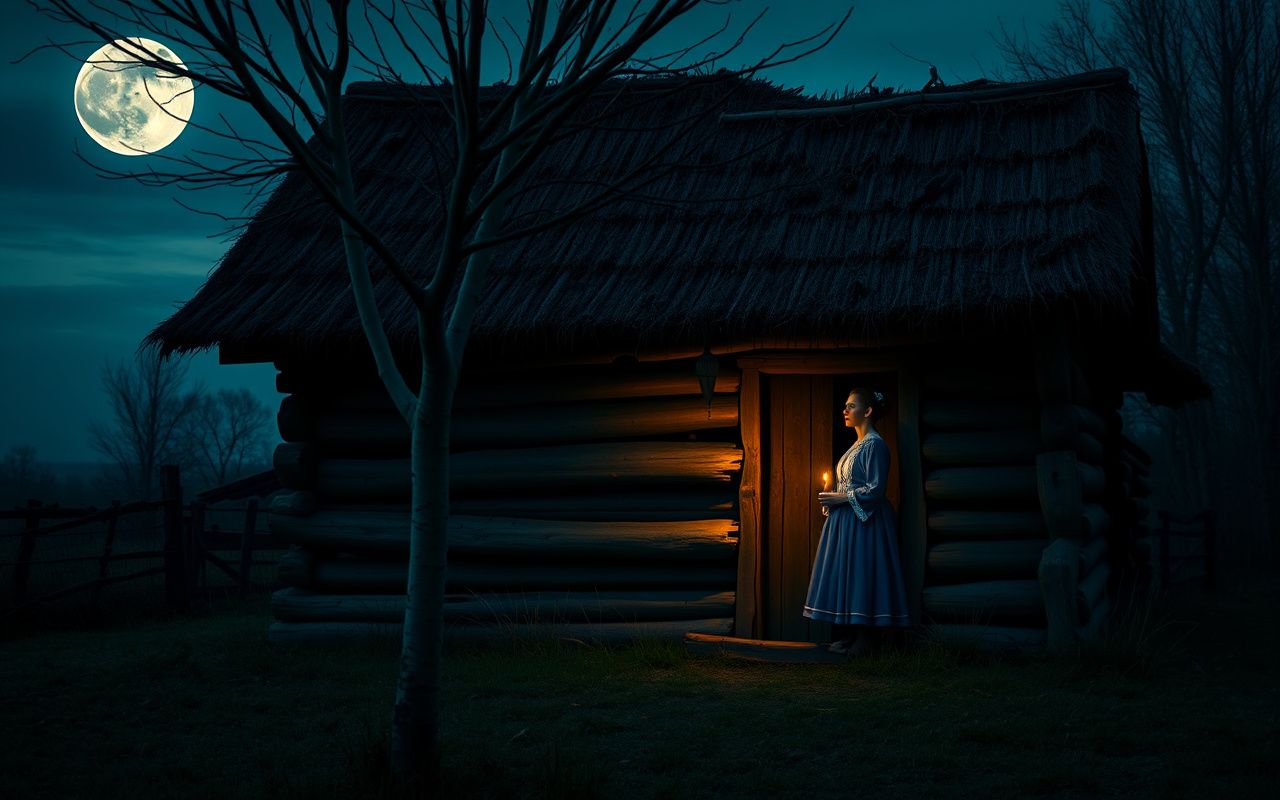
I remember my grandmother telling me about a neighbor who, after a long illness, would gather nettles at the full moon and brew them into tea while reciting a prayer to the Mother of God. She swore it brought back her strength. These practices belong to a rich tradition of Slavic healing incantations, where words are treated as tangible forces that can restore health and ward off misfortune.
Rituals for Strength and Protection
In traditional Slavic folk magic, illness was often seen as a physical or spiritual imbalance. One common ritual described in historical sources involves lighting red and green candles at noon on a Sunday. The sick person sits facing east, and the healer recites a charm calling for the body to become "blood and milk," with arms and legs filled with strength. The incantation declares that disease will be conquered by the power of fire. This specific imagery of fire as a purifying and strengthening element appears in many Slavic charms.
Another protective charm, meant to be recited every morning upon waking, invokes Saint Panteleimon, the Christian healer saint. The practitioner says they will go to the temple to pray, asking the saint to remove fatigue and illness from body and soul. This blending of pre-Christian and Christian elements is typical of Slavic folk healing, which absorbed Christian figures while retaining older magical formulas.
The Power of Spoken Words
Some charms were performed before even getting out of bed. One such incantation describes rising, praying, crossing oneself, and going into an open field to wash with pure dew. In that field stands a golden ladder. Down it comes the Archangel Michael. The practitioner asks him to lock the body with thirty-three locks against all ailments. The repetition of numbers like three and nine ("tridevyat," three times nine) is a hallmark of Slavic magic, symbolizing completeness and protection.
A particularly intriguing ritual involves whispering a charm directly into the ear of a sick person, ideally a blood relative. The charm quotes Psalm 91, speaking of dwelling under the shelter of the Most High and being protected from terror by night and arrow by day. It ends with a promise that no evil shall befall the speaker. This direct application of sacred text to a specific person shows how intimately words were believed to interact with the body.
Herbs and Celestial Timing
Herbs played an important role. Nettles, dried and brewed into tea at the full moon, were thought to become a source of great power. The incantation asks the Mother of God to bless the nettle, making each sip bring healing and rejuvenation. The choice of nettles is no accident. In Slavic folklore, nettles are associated with vitality and protection, often used to ward off evil spirits.
These rituals combine precise timing, specific materials, and spoken formulas. They reflect a worldview where health is not just physical but woven into cosmic cycles and divine relationships. While modern medicine has replaced these practices for most, they still offer a window into how our ancestors understood illness and sought to control it. I've seen echoes of this thinking in clients who time their treatments by the moon or speak affirmations over their medicine.
For entertainment purposes only.