You wake up feeling off. The tests come back normal, but something still feels wrong. In Slavic folklore, mysterious ailments like these were sometimes addressed with spoken charms and rituals passed down through generations. These practices were not seen as replacements for medicine but as cultural traditions that gave people a sense of agency when medical explanations fell short.
The Tradition of Healing Charms in Slavic Folklore
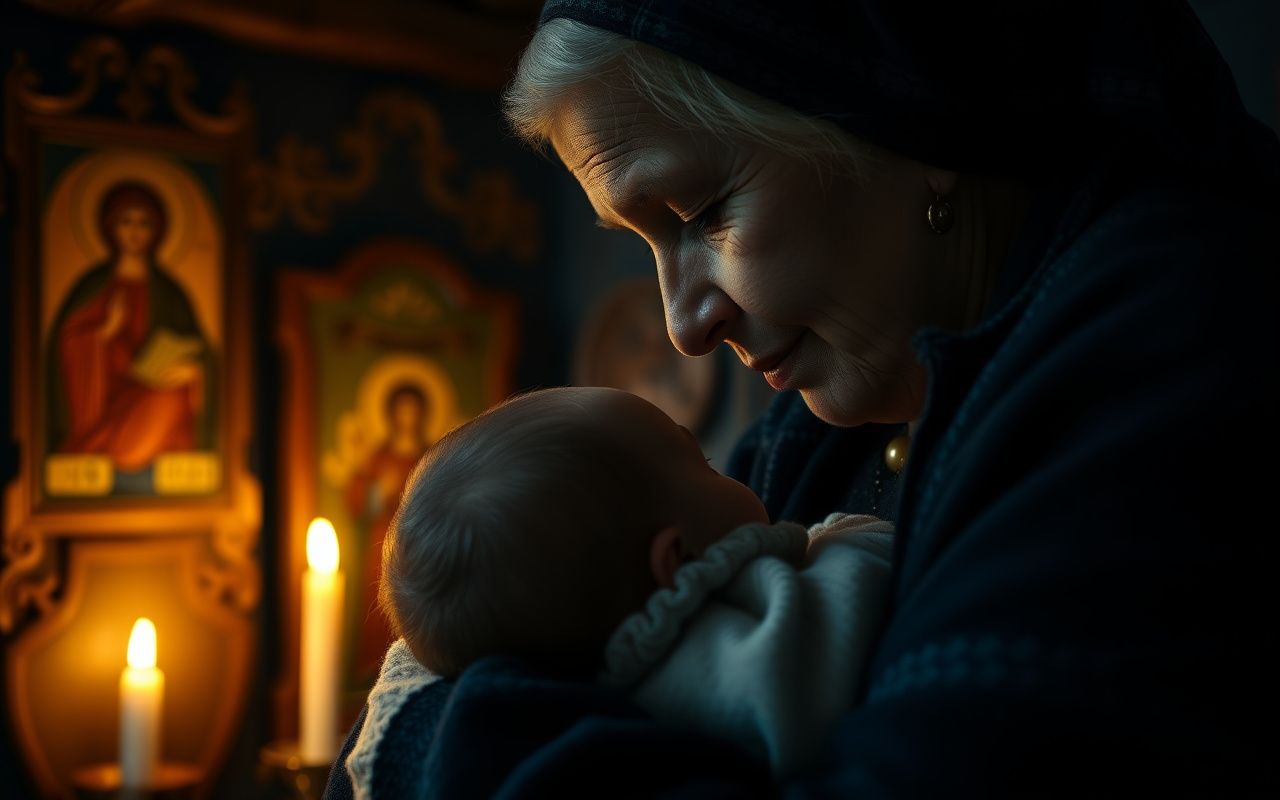
In many rural Slavic communities, healing incantations were part of everyday life. They were often recited by elders or wise women who were believed to have inherited the knowledge. The charms combined Christian imagery with older folk elements, reflecting a syncretic worldview where saints and nature spirits coexisted.
One example from a 2017 esoteric magazine describes a charm for "unknown illness," to be recited twelve evenings before sleep: "Uncounted kilas, release my veins. Take your eyes, serpent of the womb. Fly from my body into the chimney pipe, find yourself another victim." The words evoke a sense of expelling an intangible burden. The chimney serves as a symbolic exit.
Another charm calls upon the "Zarya-zaryanitsa, red maiden" to relieve pain and weakness, listing afflictions like "bad blood" and "shaking fevers." These specific enumerations were thought to leave no room for the illness to hide.
Rituals for Headache and Migraine
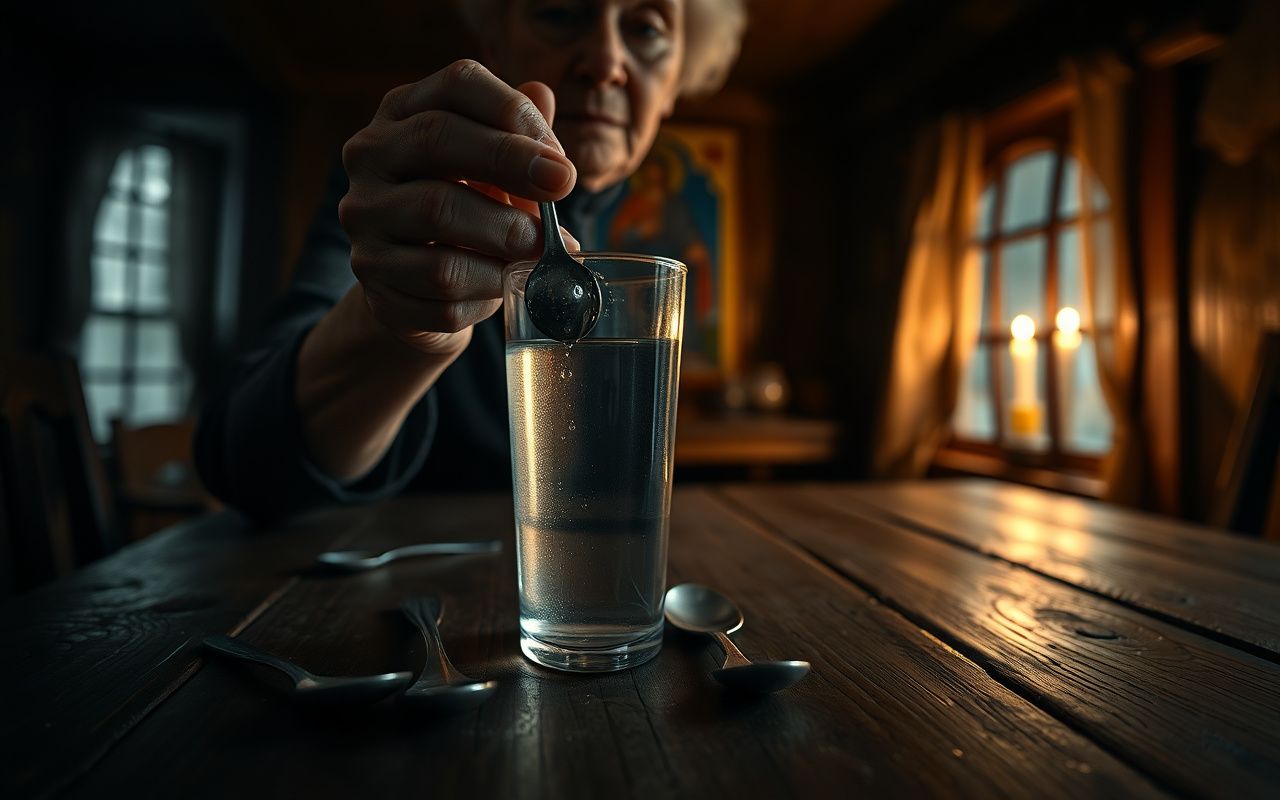
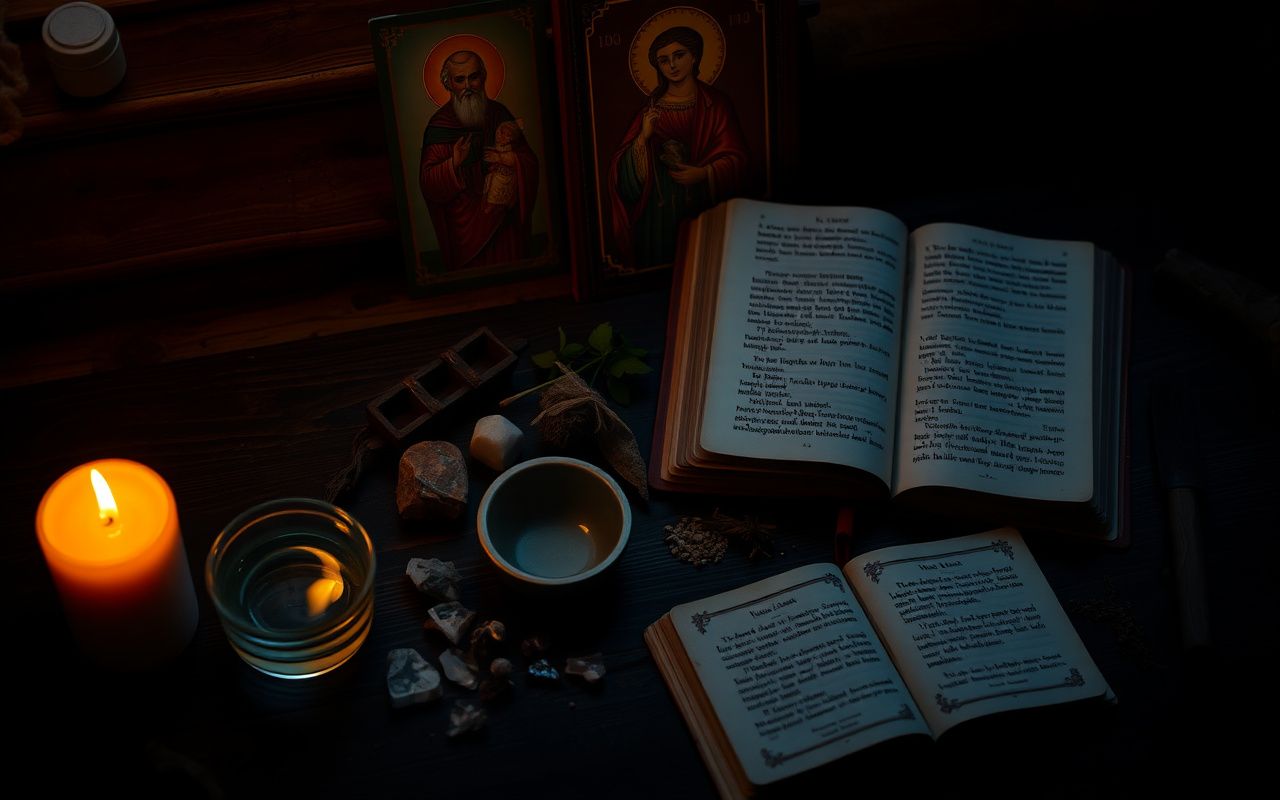
Headaches, especially migraines triggered by stress, were also addressed through ritual. One method described involves washing with holy water, lighting a candle before an icon, and letting the face air-dry without wiping. Then, a charm is recited three times: "I wash myself, (name), from all that is evil, from the time of head pain, from the benevolent eye, from the blackest eye..." The charm lists colors and types of gazes, reflecting a belief that headaches could be caused by envy or the "evil eye."
After reciting, one crosses themselves three times and extinguishes the candle with their hand. I find the detail about not wiping the face interesting. It suggests a trust in the water's symbolic cleansing power, similar to practices in other folk traditions where water is left to evaporate naturally.
Interpreting These Practices Today
As someone who has studied folklore, I see these charms as poetic expressions of hope. They are not medical prescriptions but cultural artifacts that show how people coped with uncertainty. The use of repeated numbers (three, twelve), specific colors, and Christian invocations are common patterns in folk magic across Eastern Europe.
For readers curious about trying such rituals for their cultural or personal value, I recommend approaching them with respect for their origins. You might create a quiet evening ritual with a candle and speak the words aloud, not expecting a cure but as a form of meditation. Some people find that the act of naming their symptoms and visualizing them leaving brings a sense of relief, even if just psychologically.
These traditions remind us that healing is not only physical but also emotional and spiritual. They offer a language for suffering when medical science has no words.
For entertainment purposes only.